
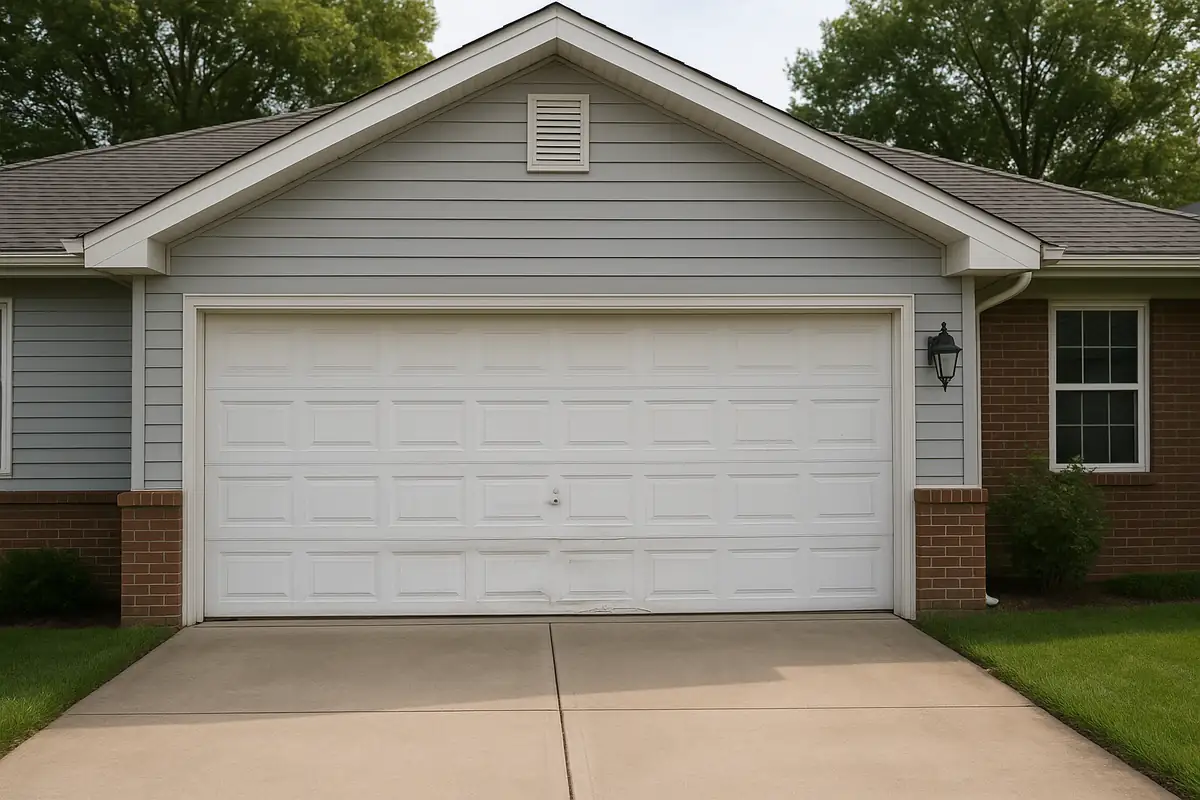

Understanding Garage Door Springs
Garage door springs are critical components that help lift and lower your door smoothly and safely. There are two main types of springs: torsion springs and extension springs. Understanding how these springs function is essential for their maintenance.
Torsion Springs vs. Extension Springs
Torsion springs are mounted above the garage door and provide a lifting force when the door is opened. Extension springs, on the other hand, are located on either side of the door and stretch to lift the door. Both types need regular maintenance to prevent wear and ensure longevity.
The Importance of Regular Maintenance
Just like any other mechanical component, garage door springs require routine maintenance. Regular inspections can prevent minor issues from escalating into major repairs. In fact, according to the International Door Association, improper maintenance accounts for 30% of garage door incidents.
Benefits of Maintaining Your Springs
- Enhanced safety for you and your family
- Increased lifespan of your garage door
- Improved efficiency and reduced energy costs
- Prevention of costly repairs
How to Inspect Garage Door Springs
Regular inspections can help you identify issues before they worsen. Here’s how to inspect your garage door springs effectively:
- Visual Inspection: Look for any signs of wear, rust, or damage.
- Listen for Noises: Pay attention to strange sounds while operating the door. Squeaking or grinding noises might indicate lubrication needs.
- Check the Balance: Disconnect the opener and manually lift the door. If it doesn’t stay open halfway, the springs may need adjustment.
Step-by-Step Spring Maintenance Tips
Now that you understand how to inspect the springs, here are detailed maintenance tips to keep them in optimal condition:
1. Lubrication
Keeping your springs lubricated is essential to ensure smooth operation. Use a silicone-based lubricant to avoid attracting dirt.
2. Tightening the Hardware
Over time, the hardware associated with your springs can loosen. Regularly check and tighten bolts and brackets to maintain stability.
3. Check for Rust
Inspect springs for any rust or corrosion. If found, it may be time to replace the springs.
4. Monitor Spring Tension
Springs can lose tension and may need to be adjusted. If you're unsure, it’s best to call a professional from Same Day Garage Door Repair.
Common Problems to Watch For
Being aware of potential issues can save you a lot of trouble. Here are some common problems:
- Breaks or Cracks: A visible break or crack means the spring needs immediate replacement.
- Unusual Noises: If your garage door makes unusual sounds during operation, it could signal a problem with the springs.
- Door Won't Open or Close: If the door is unresponsive, it’s likely an issue with the springs.
When to Call a Professional
While regular maintenance can be done by homeowners, some situations require professional assistance:
- If you notice any signs of damage
- If the door is unbalanced
- If you’re uncomfortable performing adjustments yourself
Conclusion: Keep Your Garage Door Springs in Top Shape!
Regular maintenance of your garage door springs is vital for the safety and efficiency of your garage door system. By following the tips outlined above, you can ensure your door remains functional for years to come. If you encounter any issues or need expert assistance, don't hesitate to reach out to Same Day Garage Door Repair. Our team in Bellevue, WA is ready to provide prompt and reliable service.
Explore More Resources
Related Articles
Service Areas
We proudly serve Bellevue, Robinswood, Eastgate, Factoria, Vasa Park and more areas.
Our Services
Professional garage door repair, spring repair, opener installation and more. View all services →

When to Replace vs Repair Your Garage Door: Same Day Garage Door Repair in Bellevue, WA
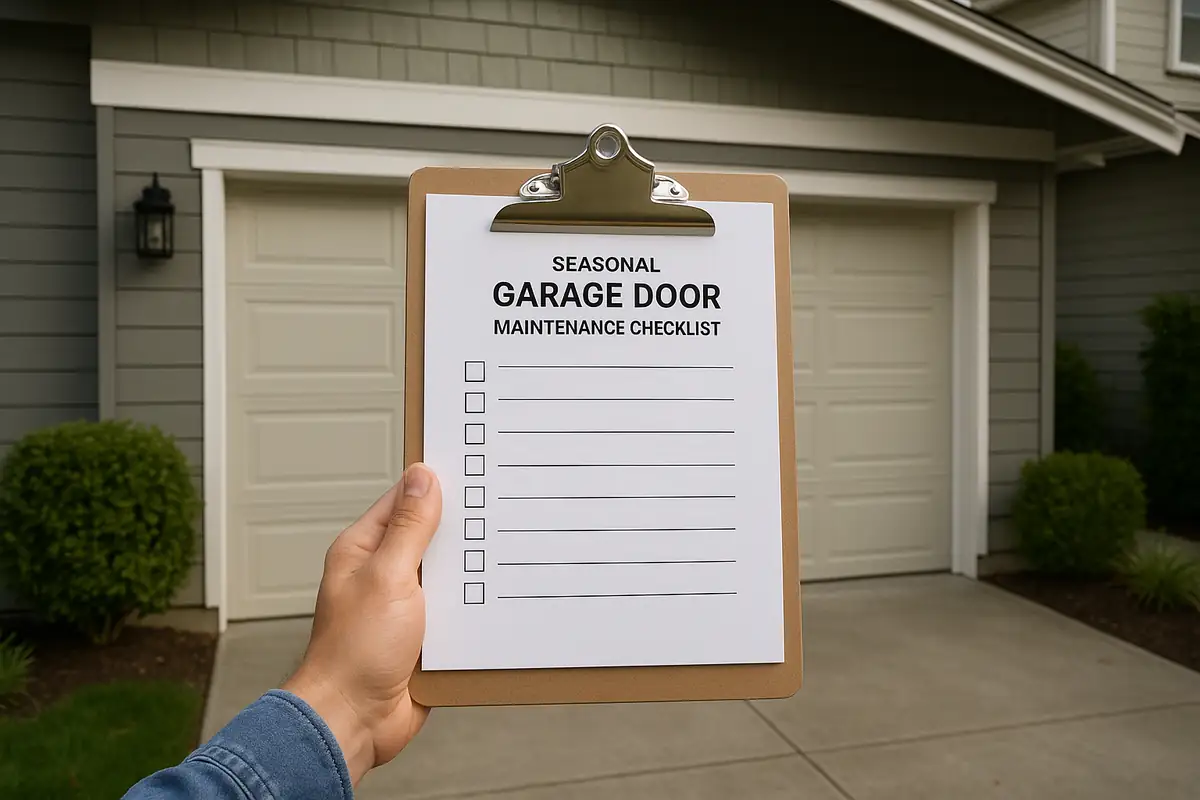
Your Ultimate Garage Door Spring Maintenance Guide for Bellevue, WA - Same Day Garage Door Repair
